

Migration to Ubuntu from Red Hat and SUSE
Move your RHEL or SUSE servers to Ubuntu: lower costs, Debian's stability and no lock-in to a single vendor. We audit, test and migrate.
- Socket, core or TB licences
- None
- Support with Ubuntu Pro
- Up to 10 years
- Foundation
- Debian
Looking for an alternative to Red Hat and SUSE subscriptions?
Ubuntu is accessible, stable and fully open source. You can install it, test it or run it in production freely. If you want technical support, you buy it at a reasonable price, choosing what you need, how much and for how long.
Much more reasonable prices
No socket, core or TB licences. You buy Ubuntu Pro professional support only if you need it, and it gives you the largest supported open-source catalogue on the market: install it wherever and as often as you like.
Debian's stability
Ubuntu is built on Debian, the backbone of many critical internet services: open source, strict security policies and fast updates.
Technological freedom
No ties to a single vendor and free software that will always stay free: you design your infrastructure the way you want.
Fewer updates, more stability, lower costs.
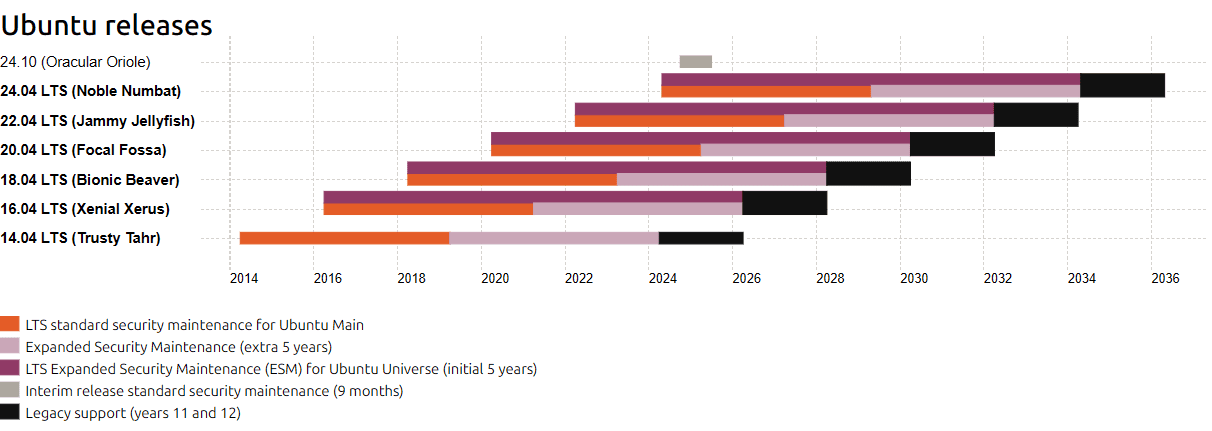
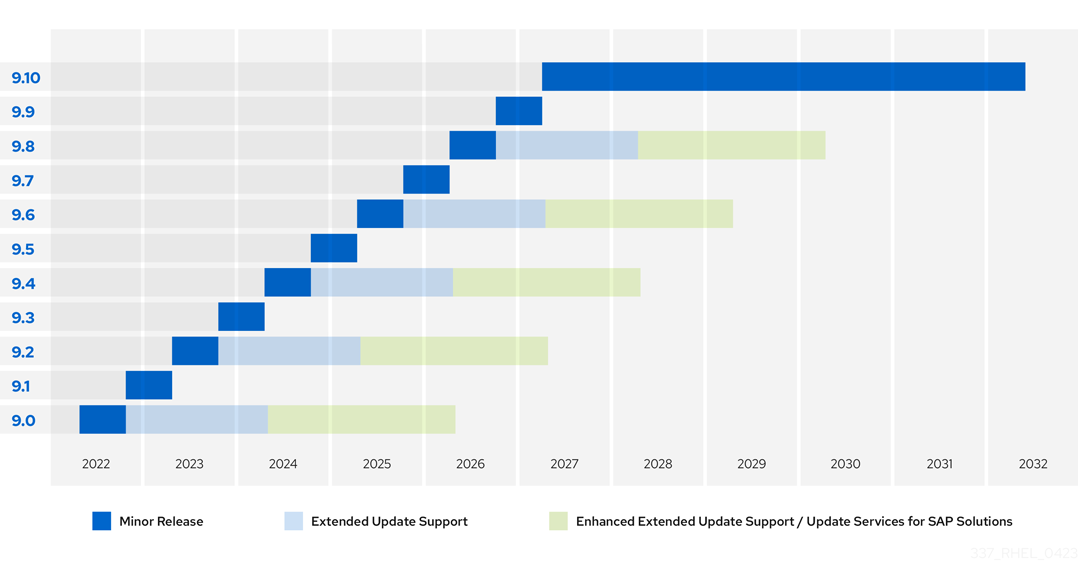
Ubuntu's LTS releases are the ones that give you peace of mind: with Ubuntu Pro you get up to 10 years of technical support, plus security tools with support for universal packages.
Ubuntu Pro support → SIXE UP: 360° support for Ubuntu servers →
So you don't have to worry about anything.
- 01
Initial audit
A detailed inventory of your Red Hat or SUSE licences (subscription, support type, expiry dates) and the servers involved.
- 02
Cost assessment
We calculate what you pay today in licences, support and maintenance, and what Ubuntu would cost, optional Canonical support included.
- 03
Technical assessment
We identify dependencies, software versions and critical applications that could be affected.
- 04
Risk analysis
We assess technical, operational and compatibility risks with you and prepare mitigation plans.
- 05
Opportunities
We measure what you gain with Ubuntu: flexibility, savings and access to an open ecosystem.
- 06
Pilot
We set up a test environment on Ubuntu to validate the compatibility and performance of each critical service.
- 07
Migration plan
A detailed timeline for the transition, starting with the least critical servers.
- 08
Execution and follow-up
We migrate gradually, with documentation, continuous monitoring and support for any incident.
Frequently asked questions.
How do I manage a large infrastructure with Ubuntu?
Ubuntu supports centralized server management. With tools like Landscape you can manage thousands of Ubuntu machines from a single place.
How will it affect my automation processes?
Ubuntu works with the main automation tools, such as Ansible, and its repositories include them, so the move from Red Hat or SUSE is smooth.
Can I keep using my container and orchestration tools?
Yes. Ubuntu supports Docker, Kubernetes, LXD and other container systems, so you don't have to change your workflows. It also integrates easily into hybrid and multi-cloud environments.
Is Ubuntu suitable for critical production environments?
Yes. Companies in banking, telecommunications and healthcare already run it in critical production for its stability, performance and enterprise support. Its weight in the cloud (AWS, Azure and Google Cloud) backs this up.
Make the leap to Ubuntu.
Tell us which servers you run on RHEL or SUSE and what runs on them, and we will prepare your quote.